.webp)

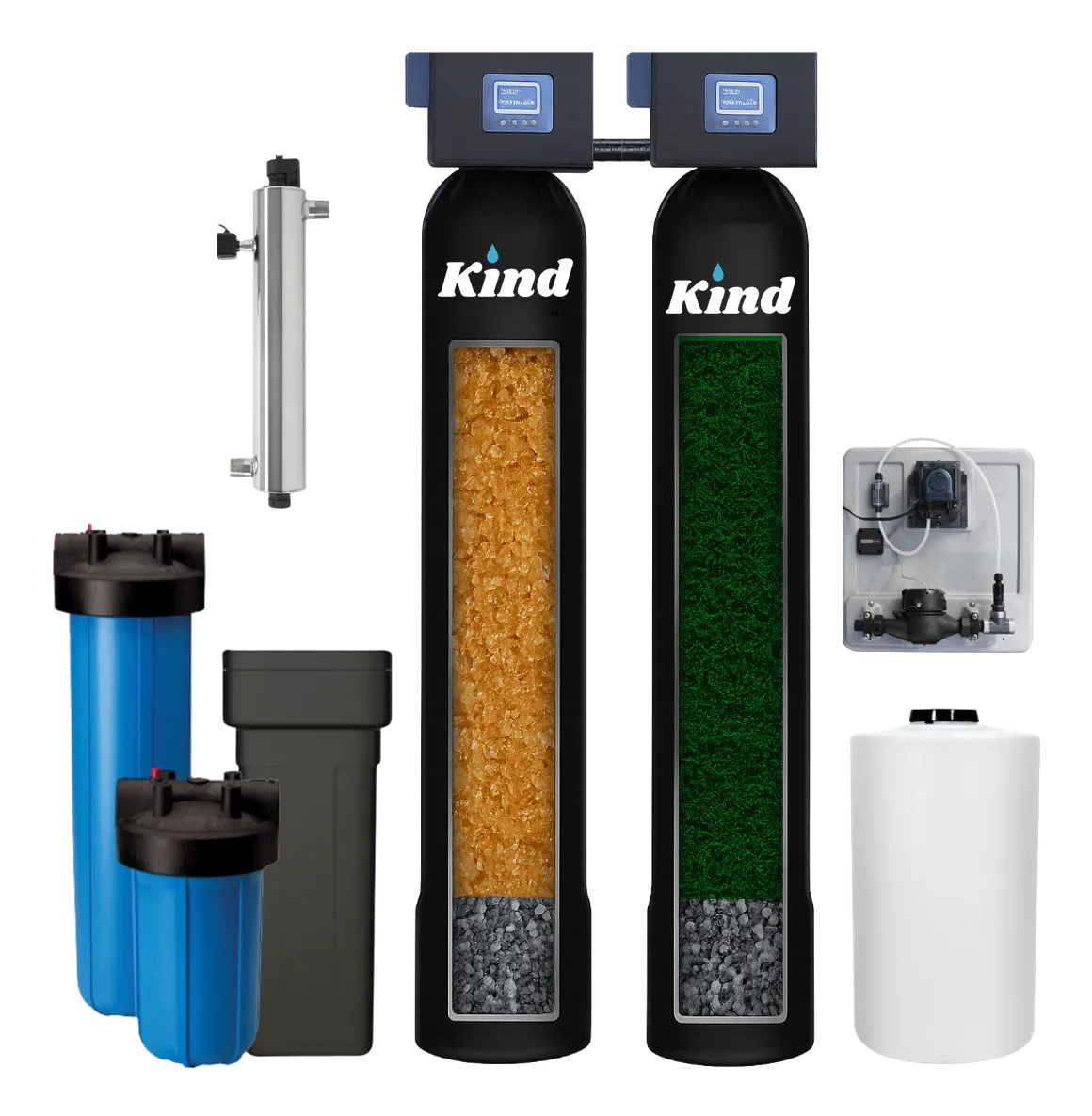
Complete Well Water System
Tackle well-water problems with equipment selected for your water, household and installation site. We review your water information and any needed laboratory results, then put together the treatment plan and installed quote.



The short answer
- Package choices: From $3,650 without tank reverse osmosis, or from $3,950 with tank RO. We’ll confirm the equipment and installation work your property needs, then give you a clear quote before you decide.
- Different stages, different jobs: Selected air-injection filtration addresses iron and sulfur conditions; ion-exchange softening handles hardness. The quote identifies the media, equipment and final installation sequence matched to your well results.
- Drinking-water stage: The with-RO package adds tank-style reverse osmosis at a dedicated kitchen faucet for drinking and cooking water.
- Add what tests require: UV purification at $700 and a pre-sediment filter at $500 are added only when the water test calls for them, and there is no XL build for wells.
- Flow planning: We check the well’s available flow, household demand and the selected equipment’s backwash requirements before sizing the plumbing and treatment stages.
- Annual well testing: Iowa DNR recommends testing every private well at least once a year for nitrate and coliform bacteria, and Iowa's Private Well Grants Program makes lab testing free.
Who this system is for
Get a treatment plan for the water your well supplies. Rust staining, sulfur odor, sediment and hardness call for equipment selected around your actual water results. Our main Des Moines and Marion / Eastern Iowa teams review your water information, household needs and installation site, then help you choose the right well-water setup.
Why a city system is not enough on a well
Equipment built for city water assumes the water has already been disinfected and largely cleared of iron and sediment. A well gives you none of that head start. Put a basic city-style softener on a well full of iron and grit and it will foul, clog and underperform inside of months. That is the single most common mistake we get called out to fix. Our well water treatment page goes deeper on the science.
What's actually in it
Each stage does one job and protects the stage behind it.
Iron, sulfur and carbon treatment
A catalytic air-injection build handles iron and the hydrogen sulfide gas behind the rotten-egg smell, with Jacobi catalytic carbon in the mix. Catalytic media is standard on every well system we install — it is not an upsell here, it is simply what a well needs.
Softening
USA-made ResinTech ion-exchange resin behind a lifetime-rated ceramic-disc control valve, sized to your household, tames the hardness that well water usually carries in higher concentrations than city supplies.
Tank reverse osmosis at the kitchen sink
Tank-style reverse osmosis adds a dedicated drinking-water faucet at the kitchen sink. If nitrate is a concern, we have your water tested for nitrate and arsenic first, choose the system from the lab results and test again after installation.
We size the plumbing and treatment stages around the well’s available flow, household demand and required backwash rate. Operating pressure depends on the complete installation and the condition of its media and filters. We review those requirements before finalizing the equipment plan.
Add only what your test calls for
Build your well-water plan around the improvements your water needs. We use the relevant test results to select each stage, explain its job and show the equipment and installed cost in your quote.
- Optional Class B UV, $700: Supplemental UV treatment for an already safe supply. We review laboratory results and the treatment plan before selecting UV.
- Pre-sediment filter, $500. Legitimate on a sandy or silty well, where it protects everything downstream. On most city water it is unnecessary, and we say so there too.
- No XL build on wells. There is no such thing in our lineup. A large well home is handled by the dual tanks, not by a bigger single tank.
Price moves up from $3,950 for a long trench, rock, or a difficult run to the well house. We quote that from photos before anyone rolls a truck.
Maintenance and what to expect
A well-built system should feel close to invisible. The sediment filter, if you have one, gets changed on a schedule set by how much grit your well produces. A UV lamp is replaced about once a year to keep its disinfecting power strong. The softener needs salt topped off, and the iron and sulfur stage largely looks after itself. We walk you through your exact schedule at install so there are no surprises.
Test first — including the free one
Iowa DNR recommends testing every private well at least once a year for nitrate and coliform bacteria, and Iowa's Private Well Grants Program makes lab testing free for well owners. Our in-home water test is free too, and we will help you line the lab test up, so the system gets designed from real numbers rather than a sales guess. Read more on free well water testing in Iowa.
Installation, warranty and financing
Every install is handled by licensed, insured local plumbing professionals we vet, schedule and stand behind. Equipment, professional installation, warranty and taxes are included in the quoted price. Coverage is lifetime on parts, five years on media, and one year on labor, and 0% financing is available. Get your exact installed price, or compare this against our other systems.
Start with a free water test
Start with a free in-home hardness, iron and TDS test and bring recent well laboratory results. We review your water, household demand and installation site. For main Des Moines service, call or text (515) 709-4674 or start your Des Moines quote. For Marion / Eastern Iowa, call or text (319) 319-6566 or use the Eastern Iowa quote. Email hello@kindwaterco.com. Your team confirms coverage, scheduling and any travel charge before booking.
- ✓Equipment included
- ✓Professional installation
- ✓Lifetime parts warranty
- ✓Taxes included
0% financing available. The in-home water test is free, with no obligation.
Straight answers.
Why can't I just put a regular softener on my well?
A well system works best when each stage targets a measured issue. We review hardness, iron, sulfur, sediment and relevant laboratory results to choose the right setup. Optional Class B UV provides supplemental treatment for an already safe supply.
Do I definitely need UV?
We select UV around your laboratory results and water conditions. The Class B unit we offer is supplemental treatment for an already safe supply. If bacteria are detected, we’ll explain the next steps for well assessment, suitable disinfection and follow-up testing.
Why tank RO instead of tankless on a well?
Tank-style RO is the drinking-water option in our well package. We review the water results, household use and installation needs to choose the setup and explain its care.
What does the price depend on?
$3,950 is the floor for the dual-tank well system with tank RO, fully installed. It moves up for distance, trenching, or rock between the well and the house. Well jobs are often straightforward when there is already a setup at the well, since the installer can tie in right there.
Other systems we install.
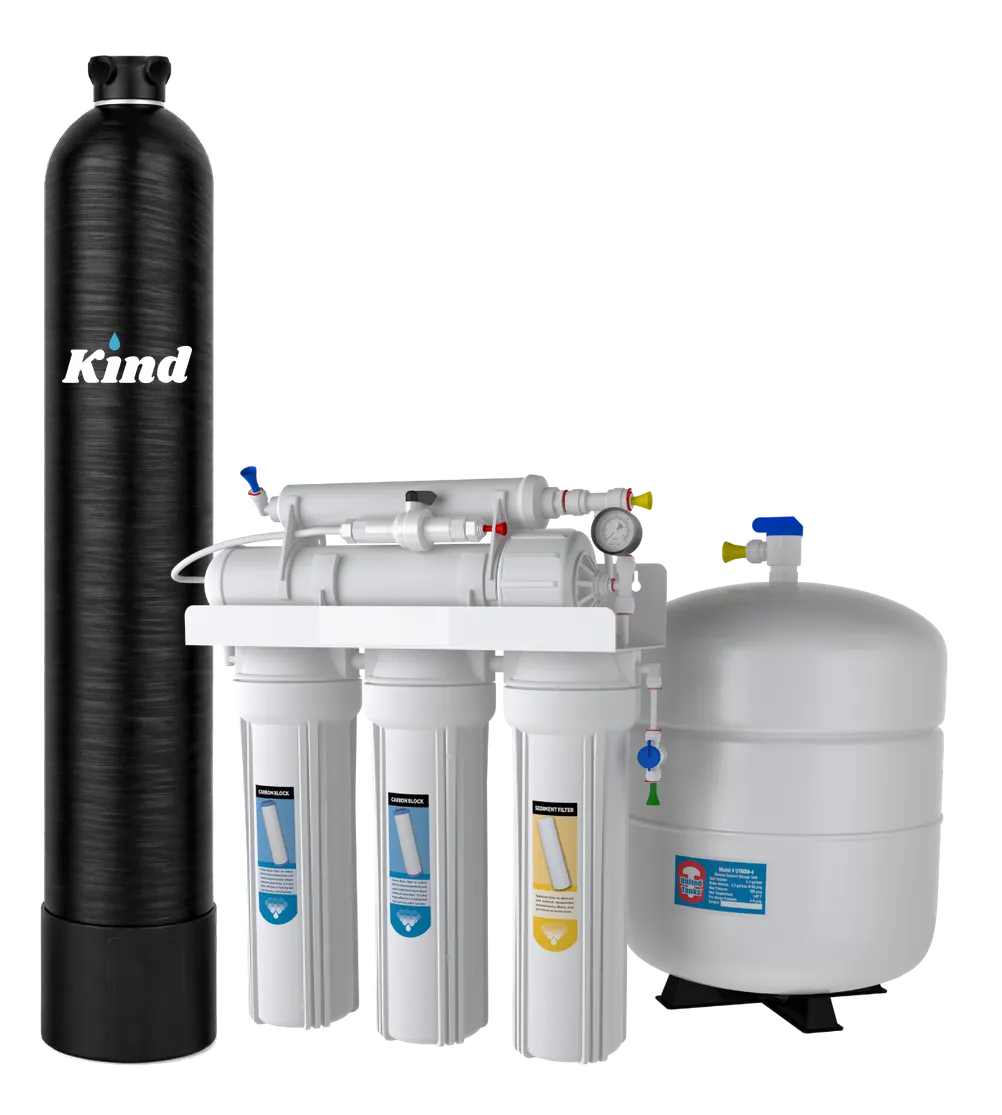
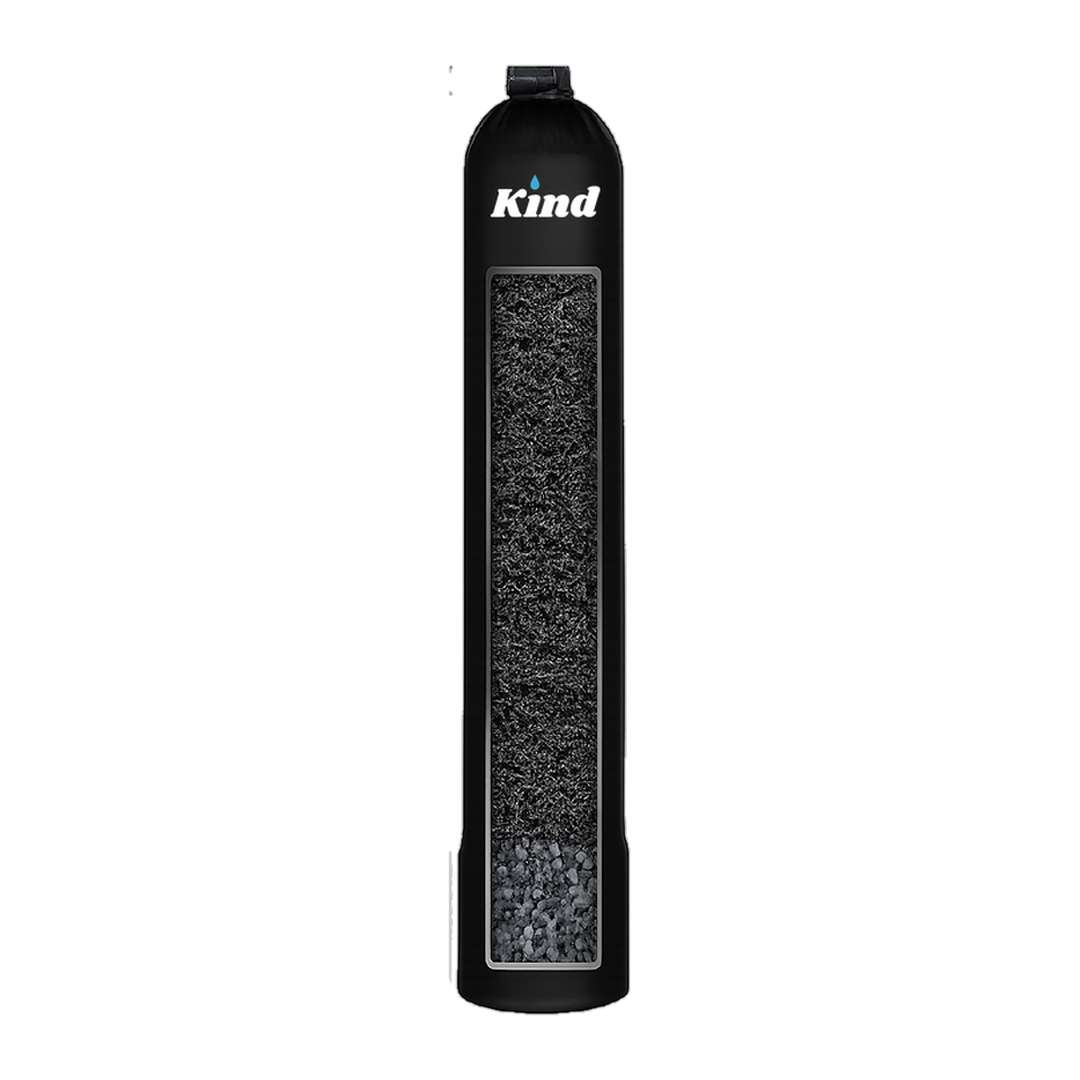
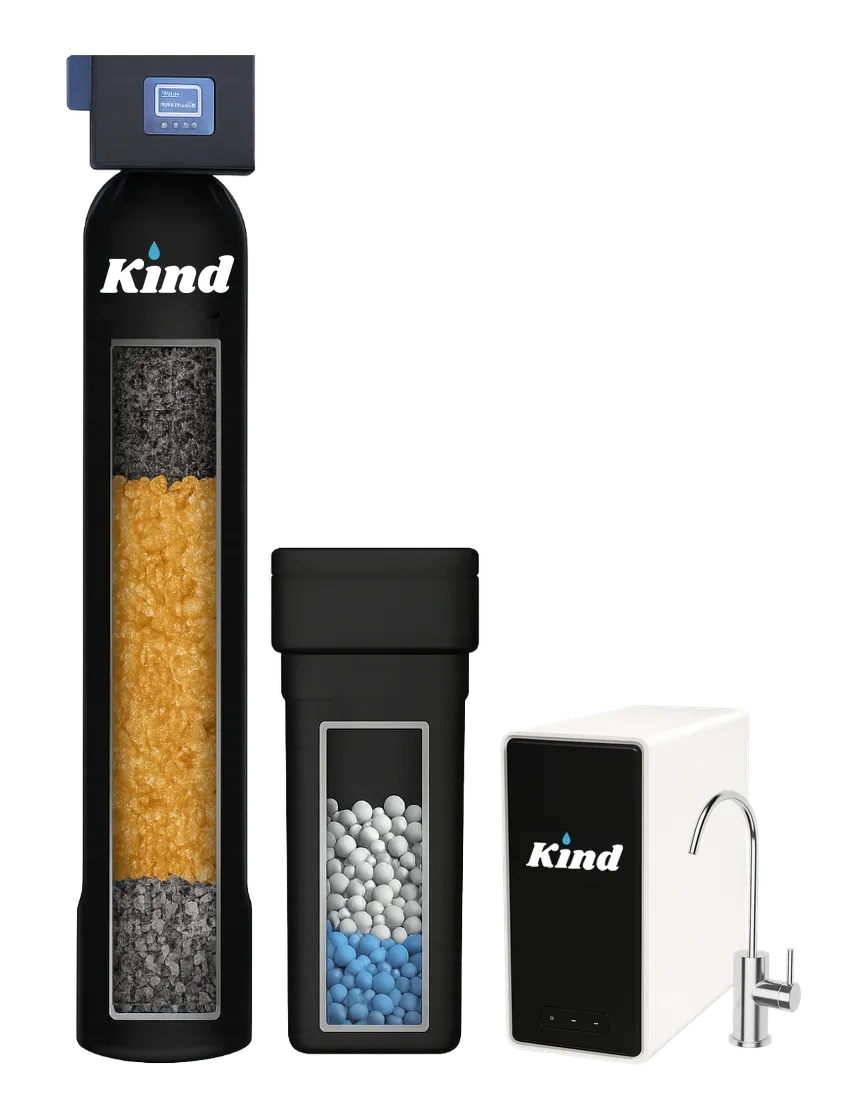
Same warranty, same install standard — a different build for a different home.
Not sure which system you need?
Start with a free in-home water test. We'll test your water and recommend exactly the right fit — no pressure, no obligation.
Book my free water test